
New
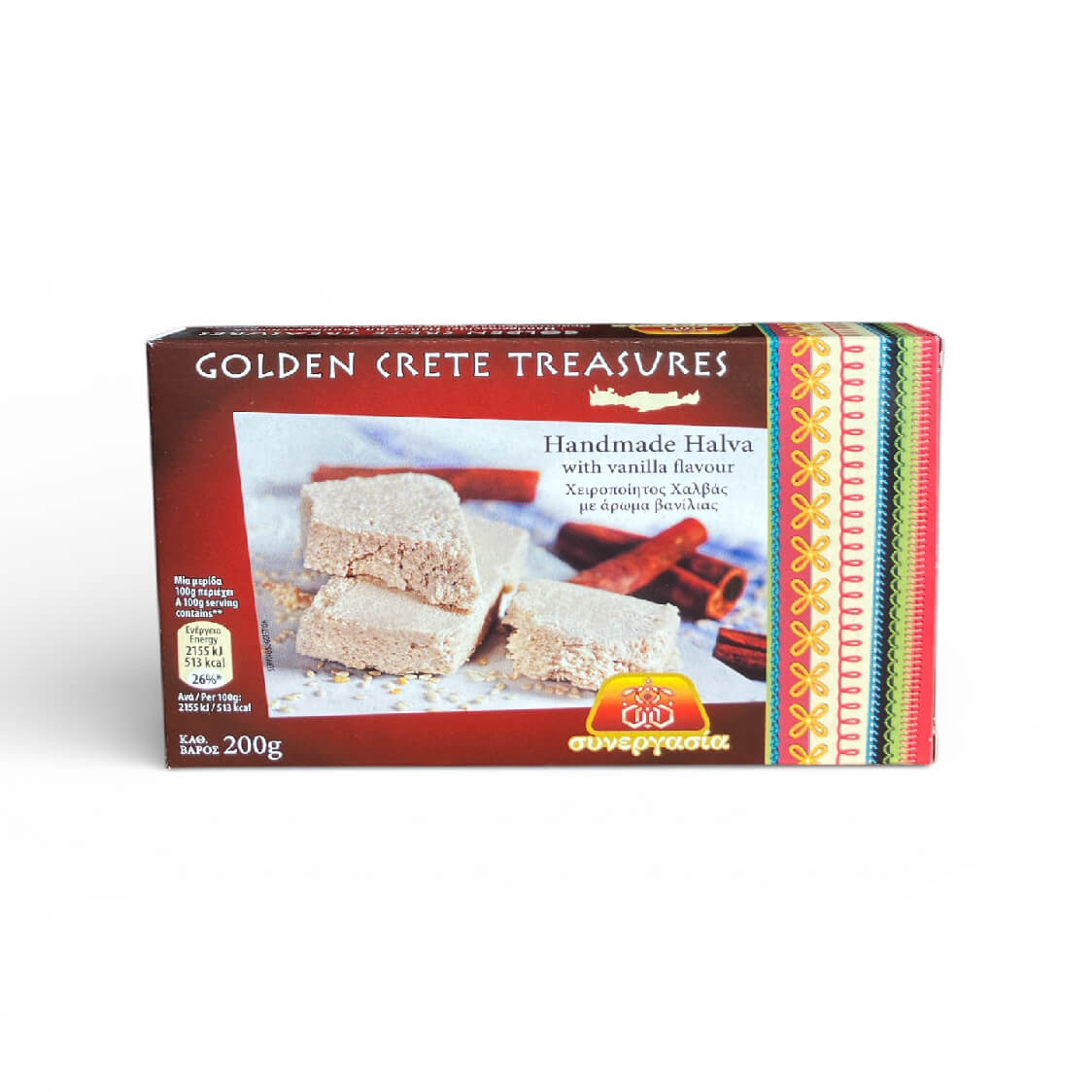
Half-and-Half with Vanilla, 200g, Sinergasia
39 SEK
Discover the delightful flavor of our vanilla half! This 200g treat from Sinergasia is perfect for anyone who loves a sweet and creamy taste experience. It’s great as a snack or as part of a festive dessert. Order yours today and let your taste buds dance with joy!
- Secure payment by card
- Free shipping from SEK 799!
- Email us, we will respond quickly!
Description
Article no.: 3144
Halva with cocoa, 200g, Sinergasia
In ancient Greece, sesame was used as an ingredient in cooking and medicine, as mentioned by Galen and Hippophanes. Aristophanes, Herodotus, and Athenaeus mention the use of sesame in the preparation of sweets made with honey.
In Greece, sesame is used whole in the preparation of pasteli and as a topping for baked goods, while ground sesame is used to produce tahini, the main ingredient in the production of halva.
Composition of Sesame
Sesame Oil: Sesame is an oily seed that contains approximately 55% sesame oil. It consists mainly of unsaturated fatty acids, up to 80% of which are oleic acid and linoleic acid. An important factor is the absence of trans fatty acids, which cause problems in the body.
Carbohydrates: Sesame seeds contain about 20% carbohydrates, mainly in the form of dietary fiber.
Proteins: Sesame seeds contain 16–32% protein.
Vitamins: Sesame contains significant amounts of vitamins such as B1, B2, E, and niacin.
Minerals: Sesame is rich in calcium, iron, phosphorus, magnesium, and zinc.
Health benefits of sesame and sesame products:
Antioxidant activity:
In recent years, the antioxidant activity of certain foods has been the subject of intense scientific and research interest. Epidemiological studies have shown that consumption of plant-based foods has a beneficial effect on the human body and protects it from serious diseases. Sesame contains compounds with significant antioxidant properties, primarily lignans, sesamin, and sesamolin, as well as vitamin E and gamma-tocopherol. Sesame consumption may be associated with reduced susceptibility of lipoproteins (primarily LDL) in the blood to oxidation. LDL oxidation is the most important factor in the formation of atherosclerotic plaques in blood vessels. Atherosclerotic plaques contribute to thrombosis and the development of atherosclerosis, and consequently to heart attacks and strokes.
Cytoprotective effect:
The antioxidant effects of sesamolin and vitamin E protect the body from the destruction of genetic material caused by free radicals.
Cholesterol-lowering effect:
Sesame and sesame products have the ability to lower blood cholesterol levels. This is due to their high content of unsaturated fatty acids, which, when included in the diet, reduce cholesterol. Additionally, sesamin inhibits the absorption and synthesis of cholesterol.
Blood Pressure-Lowering Effect:
The blood pressure-lowering properties of sesame have not yet been fully documented. However, initial indications seem to support this effect.
Dietary Fiber:
The sesame hull is rich in fiber, which helps the intestines function properly.
Vitamins:
The most important vitamin in sesame is vitamin E, which has a strong antioxidant effect, prevents the formation of cancer cells, and inhibits cellular degeneration associated with diseases such as Alzheimer’s and Parkinson’s. They also contain B vitamins such as B1, B2, and niacin, which are involved in many metabolic processes and improve overall health.
Minerals:
Sesame seeds, as well as products made from them, are an excellent source of minerals. Minerals help the body function properly. Specifically, calcium and zinc have a positive effect on the skeletal system and help prevent osteoporosis. Meanwhile, magnesium lowers high blood pressure and has a protective effect against cardiovascular and respiratory diseases.
Effect on liver function:
Sesamin has a positive effect on the activity of liver-related enzymes and reduces blood alcohol levels.